Bangladesh’s Democracy and Minorities at Existential Risk, U.S.-Based Human Rights Groups Warn
Progga News Desk:
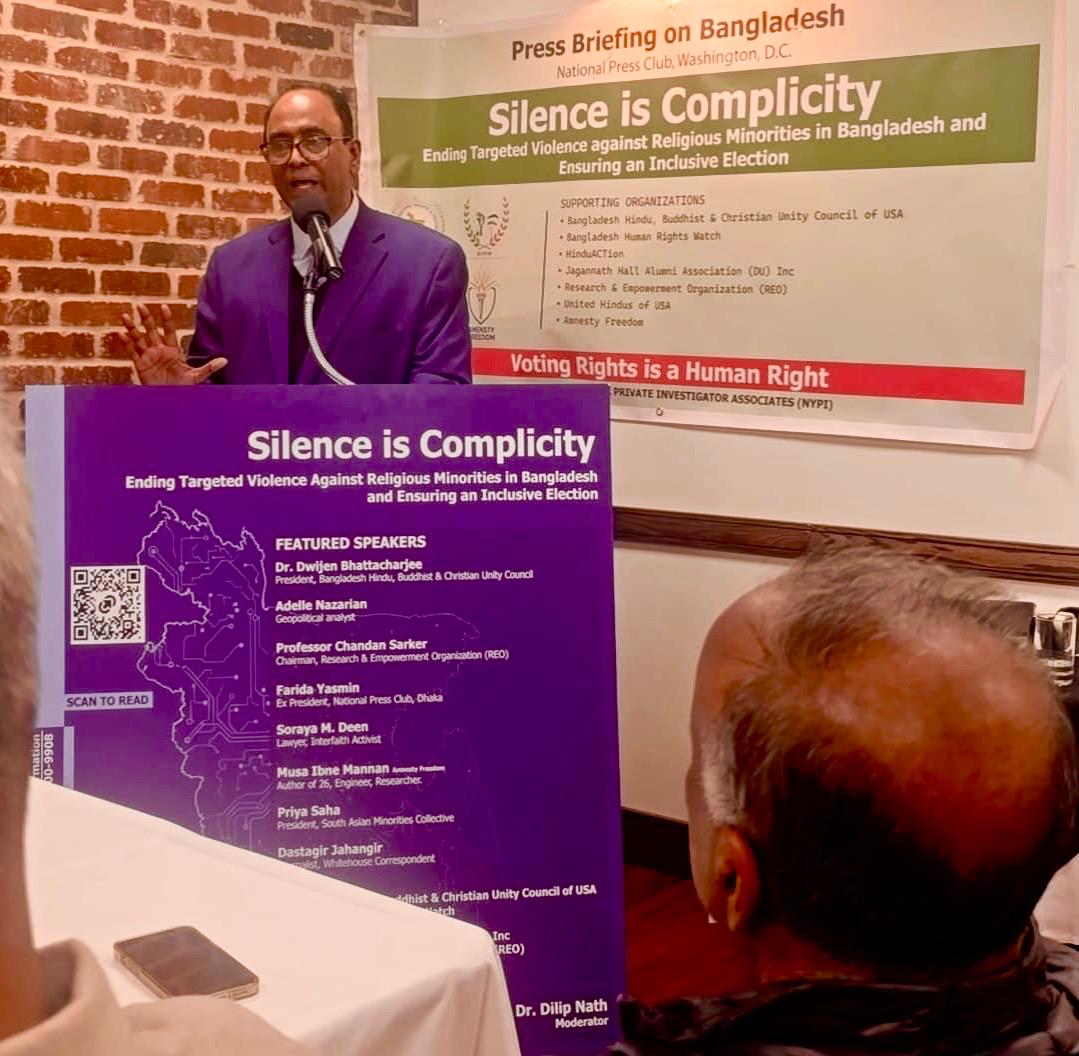
Washington, D.C., February 9, 2026 — With Bangladesh’s parliamentary elections scheduled for February 12, a coalition of U.S.-based human rights and social welfare organizations has issued a stark warning that the country’s secular democracy and its religious and ethnic minorities are facing what they describe as an existential crisis.
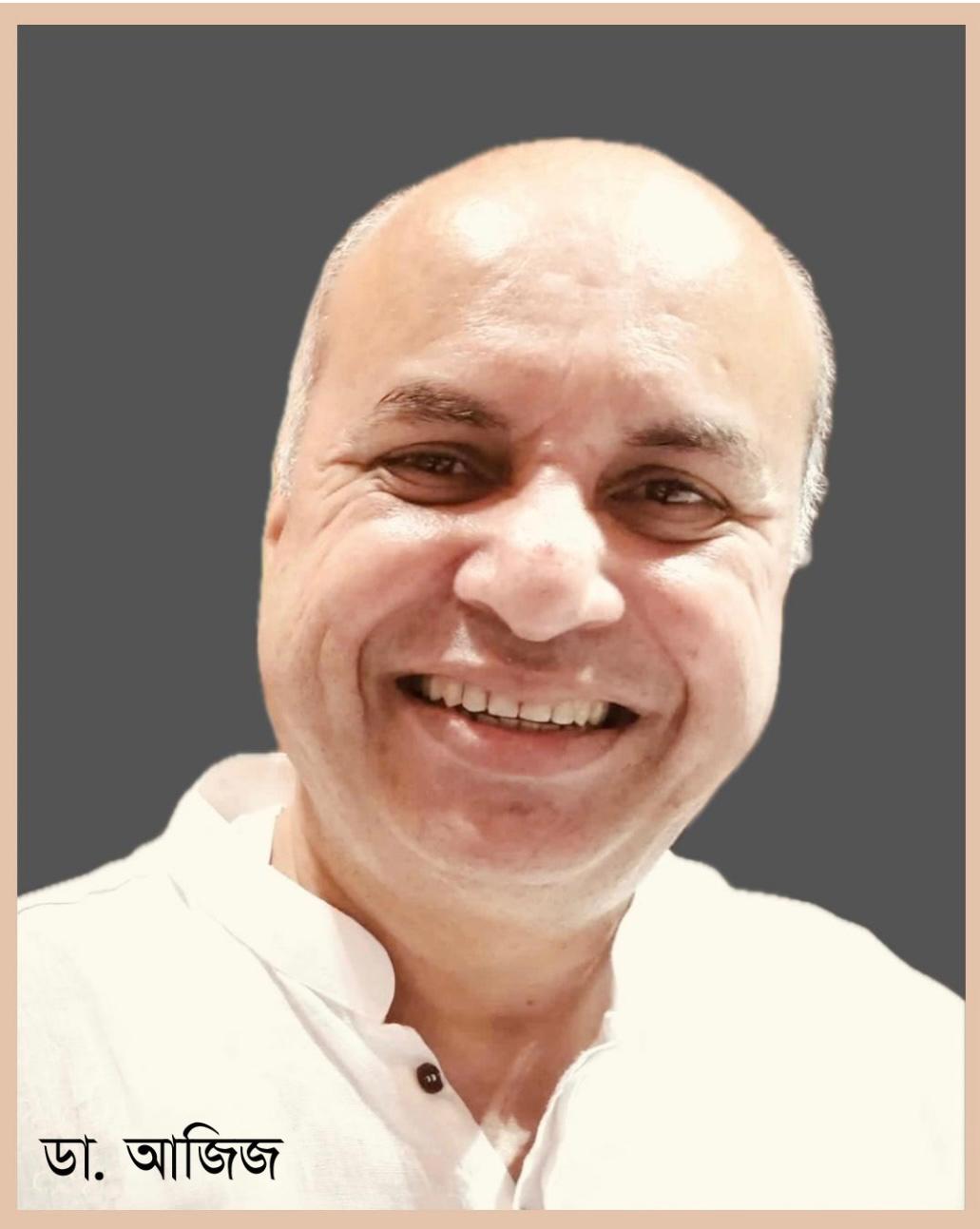
 Dr. Dwijen Bhattacharya called for global unity to counter extremism
The concerns were raised Monday at a press briefing held at the National Press Club in Washington, D.C. Featured speakers included Dr. Dwijen Bhattacharya, President of the Bangladeshi Hindu, Buddhist and Christian Unity Council USA and Lecturer at Columbia University; Dr. Dilip Nath, author and human rights defender; Farida Yasmin, former President of the National Press Club, Dhaka; Soraya M. Deen, attorney and interfaith activist; Amar Khayam Islam of Amnesty Freedom and former prosecutor of Bangladesh’s International Crimes Tribunal (ICT); Musa Ibne Mannan, author, engineer and researcher; and Dastagir Jahangir, journalist and White House correspondent.
 Speakers alleged that Islamist forces, in coordination with the interim government, are systematically weakening Bangladesh’s democratic institutions, increasing persecution of minorities, and advancing what they described as a non-inclusive electoral process.
Organizations represented at the briefing included the Bangladesh Hindu-Buddhist-Christian Unity Council USA, Bangladesh Human Rights Watch, the Democracy Restoration Forum, United Hindus of USA, the Jagannath Hall Alumni Association, and Amnesty Freedom. According to the speakers, Jamaat-e-Islami and allied Islamist groups are positioning themselves to gain power through the electoral process, allegedly operating through platforms such as the National Citizens Party (NCP) and the Amar Bangladesh Party (AB Party).

Drawing comparisons to Algeria in 1991 and Egypt in 2012, the panel warned that Bangladesh risks moving toward a Sharia-based governance system under a Majlis-e-Shura framework, potentially resembling Taliban-ruled Afghanistan or territories once controlled by ISIS.
 Dr. Bhattacharya stated that “the Islamists’ ultimate goal is to establish a global caliphate. Peace-loving and tolerant modern civilization cannot afford another Afghanistan or ISIS-style regime. These forces oppose fine arts, music, literature, gender equality, women’s right to education and work, and above all, democracy. In essence, they stand against the finest achievements of modern human civilization. Therefore, the United Nations and the United States must act in concert without delay.”
 The coalition also referenced the historical role of Jamaat-e-Islami during Bangladesh’s 1971 War of Independence, citing widely reported estimates that approximately three million people were killed, around 200,000 women were subjected to sexual violence, and nearly 10 million—most of them Hindus—were forced to flee to India. Speakers asserted that those same ideological forces are re-emerging in the country’s political landscape.
 According to the panel, the situation deteriorated significantly following violent unrest on August 5, 2024, which led to the collapse of the elected Awami League government. They alleged that Islamist groups, with ideological and logistical backing from transnational extremist networks, facilitated the political transition that resulted in Nobel laureate Dr. Muhammad Yunus assuming leadership of an interim administration on August 8, 2024, with the goal of securing an Islamist electoral victory.
Human rights advocates claimed that since then, more than 2,900 documented incidents of violence against religious and ethnic minorities have occurred, including arson, mob lynchings, sexual assaults, and at least 182 killings. They cited the December 2025 killing of Dipu Chandra Das and reported widespread attacks on Hindu, Buddhist, Christian, and Indigenous communities as evidence of systematic persecution.
 The speakers further alleged mass repression of the Awami League, including a ban on its political activities, large-scale arrests under an operation referred to as “Operation Devil Hunt,” and deaths in custody of senior leaders, including former cabinet minister Ramesh Chandra Sen. They claimed that more than 350,000 party members and supporters have been detained and that tens of thousands have fled the country.
Concerns over press freedom were also raised, with allegations of assaults and killings of journalists, mass dismissals, politically motivated legal cases, and the burning of newspaper offices in December 2025.
 Labeling the upcoming election “neither free nor inclusive,” the coalition argued that excluding the Awami League—described as the country’s largest political party—effectively disenfranchises more than half of the electorate, including moderate Muslims and nearly all religious minorities.
The briefing concluded with a call for immediate and coordinated action by the United Nations, the United States, and other democratic nations. Without international pressure, the speakers warned, Bangladesh’s secular foundations, minority security, and regional stability could suffer irreversible damage, potentially leading to a deep humanitarian and democratic crisis.