New York State Senate Passes Resolution to Recognize April 14 as Bangla New Year Day — A Historic Milestone for the Bengali Diaspora
Progga News Desk:
A new chapter in the recognition of Bengali culture and heritage has begun in New York State, as the State Senate has adopted a significant resolution calling for April 14 to be officially recognized as “Bangla New Year Day.” The move reflects a long-standing aspiration of the Bengali-American community.
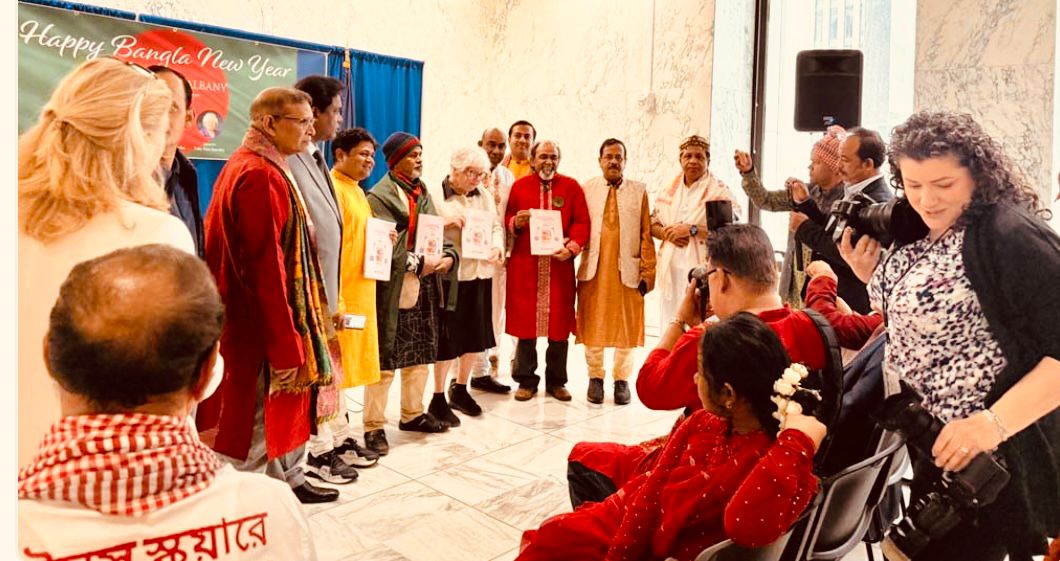
On Wednesday, April 22, 2026, during a Senate session held at the New York State Capitol in Albany, the resolution was introduced at 11:15 a.m. by Senator Luis R. Sepúlveda, Senator Nathalia Fernandez, and Senator Toby Ann Stavisky. The proposal received unanimous support, drawing applause across the chamber.
In her remarks, Senator Toby Ann Stavisky stated, “In a diverse and multicultural New York, the Bengali community has made significant contributions in education, business, technology, and culture. This resolution is a recognition of those contributions.” Her speech was followed by a standing ovation from attendees, adding to the emotional significance of the moment.

The resolution formally urges Governor Kathy Hochul to proclaim April 14 as “Bangla New Year Day” in New York State. Such Senate resolutions are considered an important step in the process of recognizing cultural and ethnic observances across the United States.
The document highlights the Bangla New Year as a secular, inclusive, and multifaceted cultural festival with roots in the agrarian economy of the Mughal era. Celebrated through music, dance, fine arts, and folk traditions, the festival brings together people of all faiths and backgrounds, embodying the spirit of multicultural harmony.
It further notes that Bengali is one of the most widely spoken languages in the world and that Bengali-speaking communities have established a strong and vibrant cultural presence in New York. From the late 19th century to the present, Bengalis have contributed significantly to education, research, healthcare, information technology, business, and the arts across the United States.

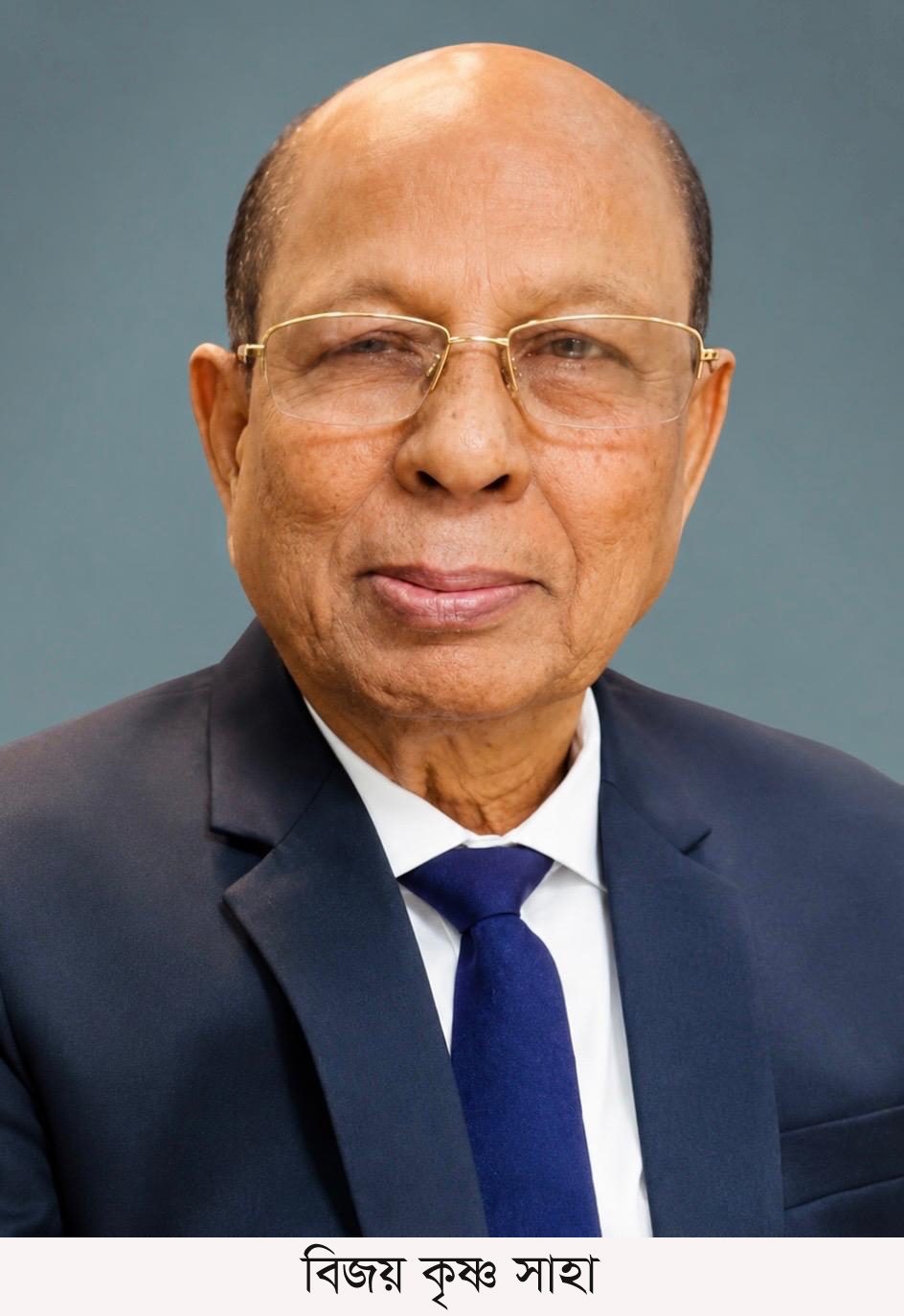
The resolution also recognizes the three decades of cultural contributions by Muktadhara Foundation, particularly its organization of Bangla festivals and international book fairs. The leadership and contributions of its founder, Biswajit Saha, are specifically acknowledged, with his name included in the official distribution list of the resolution—marking a meaningful recognition of his role in promoting Bengali culture in the diaspora.
Following the formal proceedings, a cultural program began at 1:00 p.m., opening with Rabindra Sangeet performances under the direction of music director Mahitosh Talukder Taposh.

Senator Toby Ann Stavisky delivered a welcome address at the event, commending NRB Worldwide and Muktadhara Foundation for their outstanding roles in advancing Bengali language and culture in New York.
Speakers at the event included:
Kallol Basu, Vice President of NRB Worldwide; Tofazzal Liton, General Secretary; and Mahitosh Talukder Taposh, Music Director.
Also in attendance were:
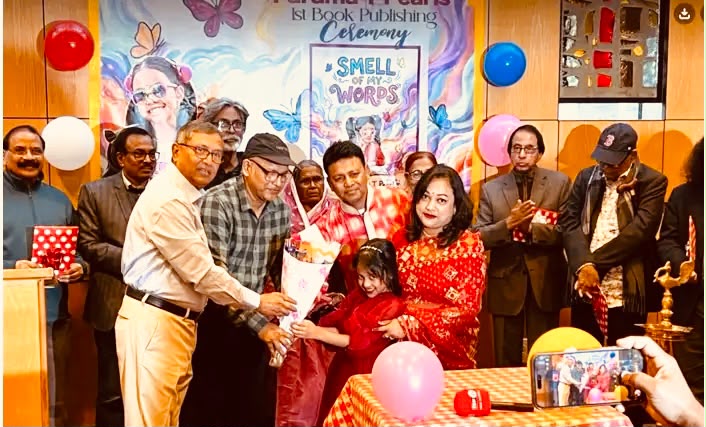
Organizer Nirupama Saha; Sulekha Pal, General Secretary of Mohila Parishad USA; recitation artist and college instructor Sucharita Dutta; cultural activist Ashish Bhowmik; organizer and cultural activist Shashadhar Hawlader; cultural activists Nurul Baten and Abdul Khalek; Alpana Guha, President of Anup Dance Academy; community leader and cultural activist Sushil Sinha; Community leader Sanjit Ghosh, music director, Bangladesh Television musician and music teacher Md. Shahin Hossain, cultural activist Pallab Sarkar, Tapas Saha, Senior Photojournalist of Progga News; singer Krishna Sarkar; cultural activists Sutipa Chowdhury, Gitali Hawlader, and Sukendra Saha, among others.
In his speech, Biswajit Saha, President of the organizing body, said, “We aim to take the celebration of the Bangla New Year beyond the Bengali diaspora and firmly establish it within the American mainstream.”
The cultural segment featured performances by young dancer Bhasha Saha and vocalist Durga Kshetriya, both of whom captivated the audience. Baul artist MD Shaheen Hossain added a traditional folk dimension to the program. Under the musical direction of Mahitosh Taposh, five special songs were performed. The hour-long program concluded on a patriotic note with a collective rendition of the national anthem of Bangladesh.

It is worth noting that the Bangla New Year celebrations organized under the banner of NRB Worldwide began on April 11 and 12 in Times Square and Jackson Heights in New York City, and concluded on April 22 at the State Capitol in Albany. The historic event at the Senate was led by Biswajit Saha, founder of Muktadhara Foundation.
Observers say that this resolution represents more than cultural recognition—it is a milestone that strengthens the social, cultural, and civic presence of the Bangladeshi and broader Bengali community in the United States.
If officially proclaimed, April 14 as “Bangla New Year Day” will stand as a recognized cultural observance in New York State—ensuring that Bengali heritage continues to thrive and gain visibility for generations to come.