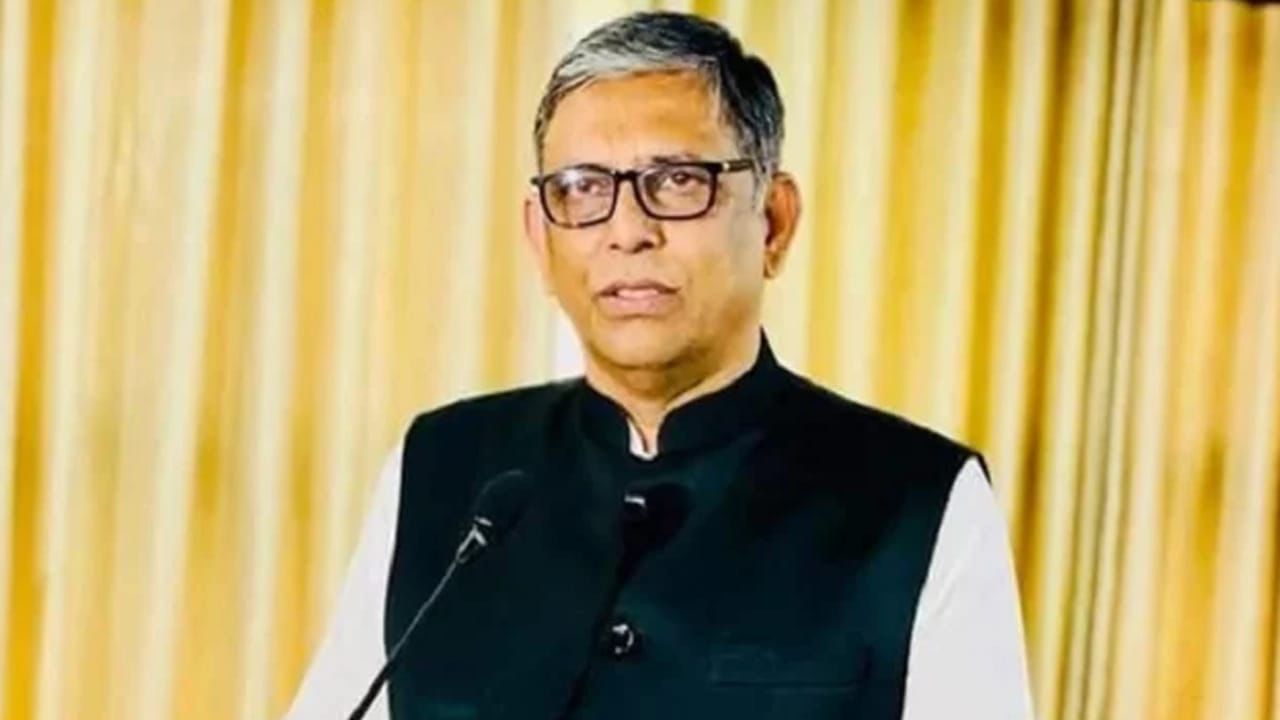
Bangladeshi Americans Rising in New York Politics — Future Leadership Highlighted at Pohela Boishakh, Says Donovan Richards Jr.
Progga News Desk:
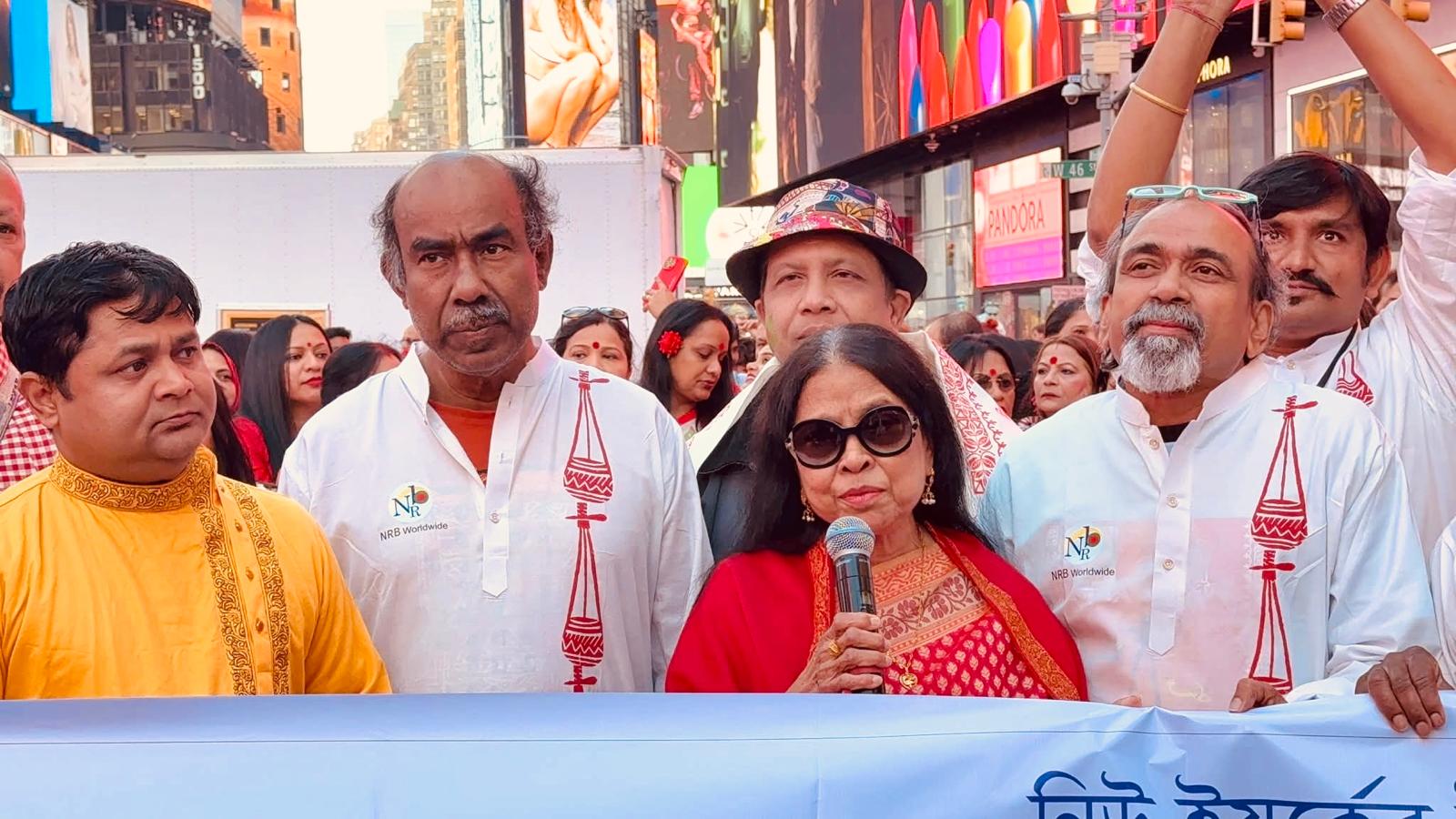
The celebration of Bengali New Year 1433 in New York has gone beyond being just a cultural festival for the Bangladeshi diaspora; it has clearly emerged as a significant event in the city’s mainstream political calendar. The massive crowd at Times Square on the first day, the unveiling of a commemorative publication in Queens, and the upcoming closing event at the New York State Capitol in Albany on April 22 all demonstrate that the cultural presence of Bangladeshi Americans is now translating into growing political relevance.

Amid an evolving election atmosphere, elected officials, prospective candidates, policymakers, and political staff from across New York City and State attended the Boishakh celebrations. According to organizers, the increasing influence of Bangladeshi-American voters—especially in Queens and Jackson Heights—combined with strong community organization and leadership, has turned the event into an important platform in the city’s electoral landscape.

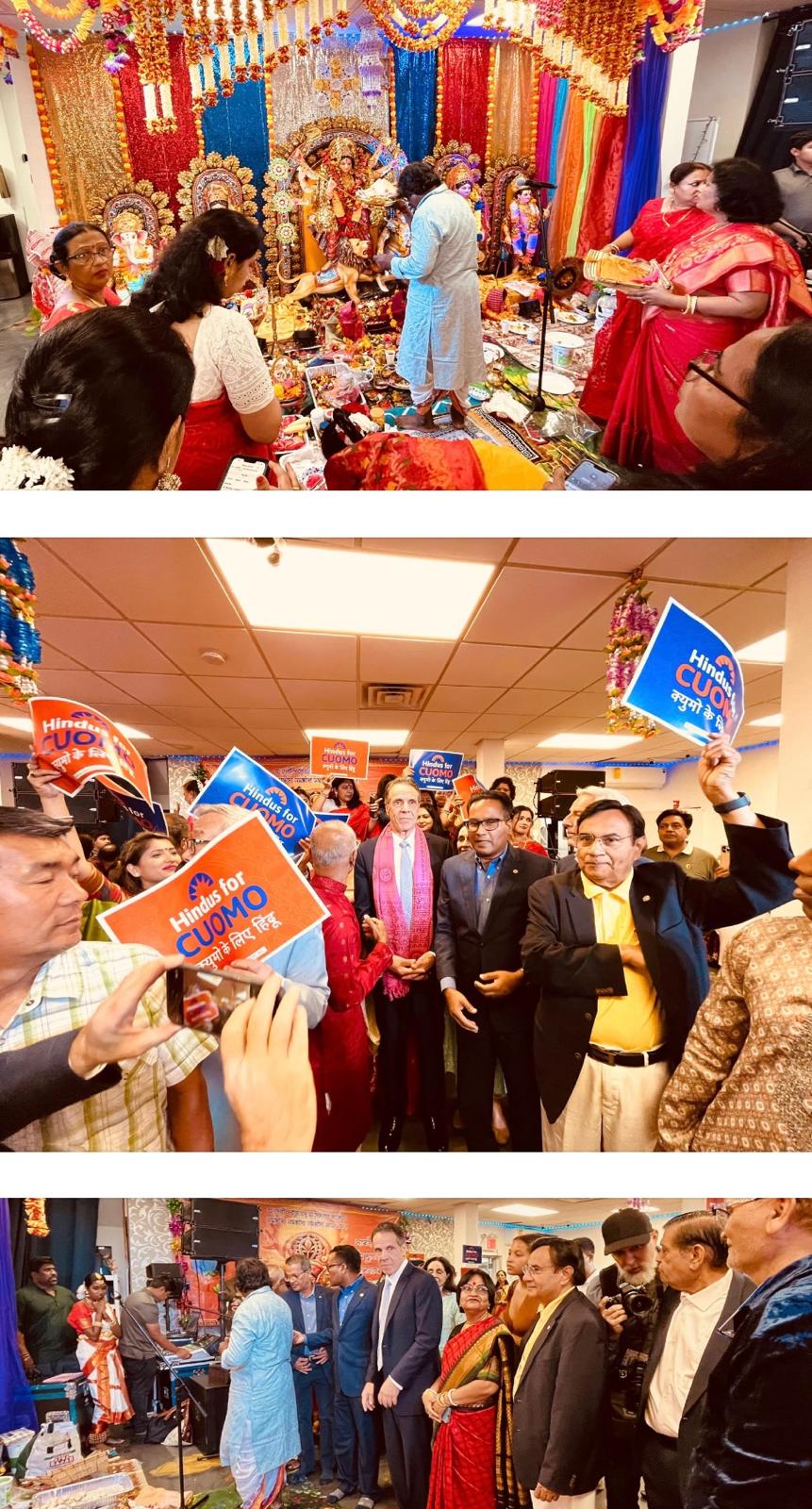
On April 12, during the Queens segment of the celebration, Queens Borough President Donovan Richards Jr. attended as the chief guest. He was joined by various mainstream political figures, community liaisons, and individuals being considered for future candidacies. In his remarks, Richards said, “Queens today represents a vibrant ‘Little Bangladesh.’ The Bangladeshi community is progressing rapidly—not only culturally but also politically.

Just as I earned the trust of the people to reach this leadership position, I believe Bangladeshi youth will soon rise to major elected offices in New York.”
His statement generated strong enthusiasm and confidence among young members of the diaspora, who viewed it as a clear acknowledgment of future Bangladeshi-American civic leadership.

Event convener Rokeya Haider stated that the participation of mainstream political leaders in the Boishakh celebration reflects the growing importance of the Bangladeshi community in New York’s social and political landscape. She also emphasized the importance of continued support for initiatives related to language, culture, and education.

NRB Worldwide Founder President Bishwajit Saha said that after the massive turnout at Times Square, the political presence in Queens has sent a strong message: Pohela Boishakh is no longer just a cultural event—it is now part of New York City’s civic and electoral discourse.

A key highlight of the event was the unveiling of a 248-page commemorative publication documenting diaspora Bengali history, literature, cultural heritage, and the legacy for future generations. Guests described it as a “cultural document of Global Bengal.”

Those present at the unveiling included Convener Rokeya Haider; Music Director Mohitosh Talukder Taposh; General Secretary Tofazzal Hossain (Liton); Dr. Milton Biswas; Administrator Soumya Dasgupta; organizers Nirupoma Saha, Ashok Rakshit, Hossain Kabir, Alpana Guha, Ranjit Ray, Sucharita Dutta, Khaleda Parveen, Tarikul Hossain Badal, Dhiraj Saha, Kanta Barua, Gitali Saha, Sanjit Ghosh, Rina Saha, Sutipa Chowdhury, Saju Rahman, Tapas Saha, Shashadhar Hawlader, Gopa Pal Mukta, Nurul Baten, Gitali Hawlader, Chandra Banerjee, Sushil Sinha, Pallab Sarkar, Krishna Sarkar, Supriya Chowdhury, Nurul Baten, Asim Saha, Shakti Das Gupta, Nasrat Saha, Debjani Majumdar, Abdur Khalek, M. B. Hossain Tushar, Fardin (family), Christela Quia, Raihan, Falguni, along with other distinguished members of the Bangladeshi diaspora.

During the event, General Secretary Tofazzal Hossain (Liton) presented a traditional ektara—an iconic symbol of Bengali culture—to Borough President Richards, while Founder President Bishwajit Saha honored him with a ceremonial stole featuring the flag of Bangladesh.

Organizers also announced that the third and final phase of the Boishakh celebration will take place on April 22 at the New York State Capitol, where top-level policymakers and lawmakers are expected to attend. As a result, this three-day celebration is increasingly being viewed not only as a cultural festival but also as a symbol of the Bangladeshi diaspora’s transition from cultural recognition to political empowerment.

Pohela Boishakh, the Bengali New Year, is a centuries-old tradition that has evolved into a universal national celebration in Bangladesh, observed across religious and social boundaries. Events such as the iconic Ramna Batamul gathering, Mongol Shobhajatra (recognized by UNESCO as an Intangible Cultural Heritage), rural fairs, and folk music collectively reflect the inclusive and secular spirit of Bengali identity.

Although contemporary cultural life in Bangladesh faces challenges from globalization, commercialization, and changing digital preferences among younger generations, the essence of Boishakh remains deeply rooted. Meanwhile, in diaspora hubs such as New York, London, and Toronto, Boishakh celebrations are becoming increasingly large, vibrant, and well-organized.

Celebrations at global landmarks like Times Square, ongoing efforts to preserve language and heritage across generations, and growing engagement in mainstream politics all point to a cultural resurgence among Bangladeshi expatriates.

In conclusion, the celebration of Bengali New Year 1433 in New York reflects a new reality: the Bangladeshi community is no longer on the margins—it is steadily establishing itself as both a vibrant cultural force and an emerging political voice in mainstream America.