
Peaceful Voting, But Major Questions Over Participation: International Observers Raise Serious Concerns About Bangladesh Election 2026
Priyo Tosh Dey:
Bangladesh’s 2026 national election has concluded nationwide, with vote counting currently underway in multiple constituencies. While election day was largely peaceful and marked by limited visible violence, the central issue dominating post-election discussion is voter turnout and the overall democratic environment.
The European Union (EU) Observer Mission, in its preliminary assessment, noted that polling day was generally calm. However, voter turnout appeared significantly low and uneven, particularly in urban centers and politically sensitive districts. The EU emphasized that democratic legitimacy cannot be measured solely by the technical conduct of voting on election day. Inclusiveness, the pre-election climate, and the availability of genuine political choice are equally critical components of a credible democratic process.
The U.S.-based International Republican Institute (IRI) reported that, where voting took place, procedures were generally followed in accordance with established technical guidelines. Nevertheless, IRI observed low voter presence at many polling stations. The organization is expected to distinguish between procedural integrity and broader democratic legitimacy—particularly in terms of voter confidence and the competitiveness of the political landscape.
Similarly, the National Democratic Institute (NDI) is reviewing the inclusiveness of the political field, the freedom of candidates and voters, and whether citizens were presented with meaningful alternatives. NDI has reiterated its longstanding position that elections must be evaluated as a comprehensive process, not merely by the events of voting day.
According to observer perspectives, possible reasons for low voter turnout include a lack of competitive political choices, disengagement or fear—especially among minority communities, perceptions of predetermined outcomes, and confusion surrounding the simultaneous constitutional referendum.
As of now, no major Western democracy has formally declared the election fully free, fair, and representative. Diplomatic responses remain cautious and conditional, pending final turnout data, post-election developments, and the treatment of opposition parties and minority groups.
In summary, although the election proceeded with limited visible violence, international observers have raised serious concerns regarding voter participation, political inclusiveness, and the broader democratic environment. Attention now turns to the final assessments, which will ultimately shape the global response to Bangladesh’s 2026 electoral process.
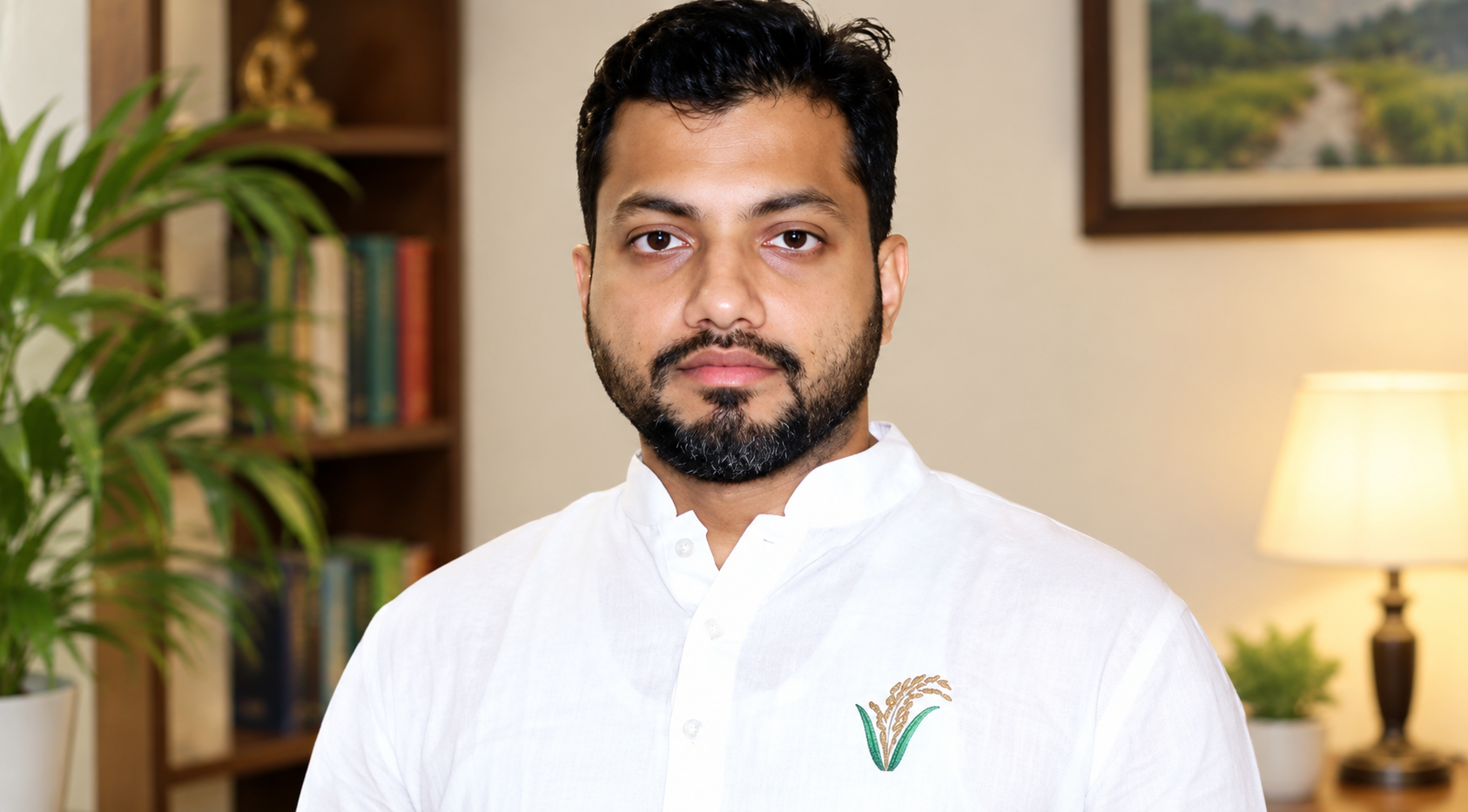
Priyo Tosh Dey, Columnist & Political Analyst. New York, USA.