
Plastic Bag Ban Ignored at Bangladeshi-Owned Businesses Across New York City: Widespread Use Raises Environmental Concerns and Potential Health Risks, Including Cancer and Developmental Effects on Children
Uttom kumer shaha, Progga News, NY:
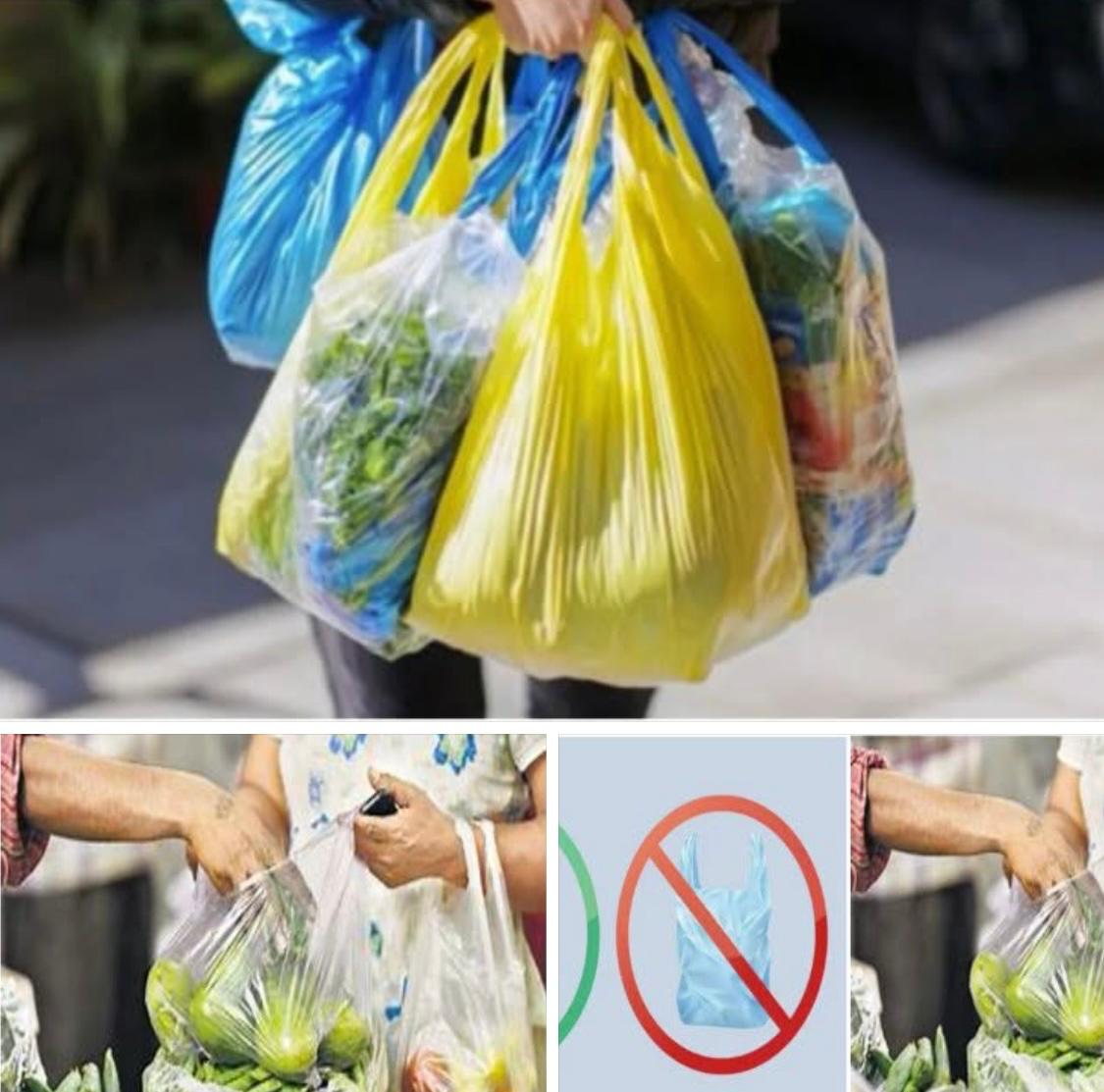
Despite restrictions and growing concerns about environmental pollution and public health, plastic bags continue to be widely used at Bangladeshi-owned businesses throughout New York City. From grocery stores and fresh produce markets to clothing shops, household goods retailers, and supermarkets, plastic bags remain a common part of everyday shopping.
A visit to Bangladeshi business districts in Jackson Heights, the Bronx, and Brooklyn reveals that the use of plastic bags has become deeply ingrained in the shopping culture. Customers frequently enter stores without carrying reusable bags and leave with their purchases packed in multiple plastic bags.
At fresh produce markets, individual items such as potatoes, papayas, okra, onions, and pointed gourds are routinely placed in separate plastic bags. Similar practices are observed when customers purchase fish, meat, eggs, and other food products.
The widespread use of plastic bags has raised concerns about compliance with New York City’s plastic bag restrictions, as well as the environmental and public health consequences of continued reliance on single-use plastics.
Plastic pollution is not limited to environmental damage. Certain chemicals associated with plastic materials may migrate into food, particularly under specific conditions involving heat, prolonged contact, or unsuitable packaging. Exposure to some plastic-related chemicals has been linked to hormonal disruption, reproductive health concerns, and other adverse effects.
Some chemicals associated with plastics have also been linked to cancer risks. In addition, scientists have raised concerns about the potential effects of certain plastic-related chemicals on the developing brain and nervous system of children.
The improper disposal or burning of plastic waste can also release harmful pollutants into the air. Exposure to these substances may contribute to respiratory irritation, lung damage, and other health problems.
During visits to various markets across New York City, the continued use of plastic bags was evident among small retailers, street vendors, and larger grocery stores. Wholesale distributors also continue to sell plastic bags, despite restrictions on their use.
For many shoppers, purchasing groceries without receiving plastic bags has become almost unimaginable. Customers often arrive at stores without reusable bags, leaving merchants to provide plastic packaging for their purchases.
At a Jackson Heights produce market, customer Mofazzal Hossain was observed shopping without a bag. After purchasing five different types of vegetables, he received a separate plastic bag for each item.
Asked about the practice, Hossain said he had arrived at the market empty-handed and purchased five varieties of vegetables. He said the store placed each vegetable in a separate plastic bag, adding that the arrangement made it easier to store the vegetables at home and helped keep them fresh.
Another customer, Akhtar Hossain, was seen carrying a dozen eggs in a plastic bag, reflecting how common plastic packaging has become in neighborhood markets.
Produce vendor Haider, speaking about the widespread use of plastic bags, said customer demand was a major reason merchants continued to provide them.
“Everyone is providing plastic bags. Customers do not want to take fresh produce, fish, or other items without plastic bags. They come to the market empty-handed and leave with their purchases packed in plastic. On days when we run out of plastic bags, many customers do not want to take their goods. If customers bring their own bags, we can also stop using plastic bags. We have to spend money to purchase them, too,” Haider said.
The vendor’s comments highlight the shared responsibility of consumers and businesses in addressing the problem. While retailers say they are responding to customer preferences, environmental advocates argue that changing shopping habits is essential to reducing plastic waste.
The extensive use of plastic bags at Bangladeshi-owned businesses across New York City generates substantial amounts of disposable plastic waste every day. Most of these bags are used only once before being discarded.
Because plastic bags do not readily biodegrade, they can remain in the environment for extended periods. Improperly discarded plastic waste contributes to soil, water, and air pollution, places additional pressure on municipal waste management systems, and threatens wildlife and aquatic ecosystems when it enters waterways.
Environmental advocates say awareness campaigns and public education efforts have not achieved the desired results. They argue that voluntary efforts alone may not be sufficient without stronger enforcement, regular inspections, and greater participation from both consumers and business owners.
They also emphasize the importance of carrying reusable shopping bags, refusing unnecessary plastic packaging, and encouraging businesses to adopt environmentally friendly alternatives.
New York City has established restrictions on the distribution of single-use plastic bags, with certain exemptions and specific rules governing their use. However, the continued prevalence of plastic bags at Bangladeshi-owned businesses has raised questions about enforcement and public awareness.
Advocates are calling for increased oversight by relevant authorities, appropriate action against businesses that violate applicable regulations, and educational initiatives to help retailers understand their legal responsibilities.
They also urge customers to take an active role by bringing reusable bags whenever they shop and avoiding unnecessary plastic packaging.
Protecting the environment and safeguarding the health of future generations will require a coordinated effort among consumers, retailers, and government authorities. Without meaningful changes in shopping habits and effective enforcement of existing regulations, the continued use of disposable plastic bags could further worsen environmental pollution and increase long-term public health concerns.